This post is a summery on the last part of editing i went through and what exactly i wanted to create through editing.
Editing Pt2
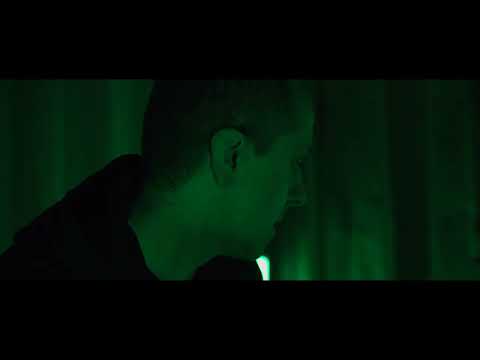
The first way we created suspense and tension in our opening through editing was by working the lighting we had set up on the day, a bright neon green hue and also by not using any clips that show light form outside the container so it doesn’t destroy the effect. Another moment we enhanced tension was the slow introduction we had for the characters as it cuts to Adams barbed wire hands before we see his face building confusion and worry but Also painting a bad impression on Ali as he is seen walking and turning on his radio unaffected suggesting he is the one that caused this.
I really feel that the audience with feel a sense of confusing but also interest in this main character that seems so unaffected with what just happened to him as he turns and smiles as it offers a glimpse of his personality and I think the action fans would want to know more about this assassin type character and how he came to be. When it comes to titles we put all of our names once with the directors name twice, at the end and beginning and for the rest we made up like names that we think are interesting but still slightly normal so it isn’t too obvious that we made them up we also created a production company together in order to fill the titles properly.
We chose coffee house jazz as diegetic sound as it contrast the action going on and create a contrapuntal sound scape. We created the sound effects of a hammer hitting a breaking a foot through the sound effects of a dog eating and a metal hammer which successfully created a gruesome and detailed sound we wanted. We had some problems with sound when it came to on of the actors screaming as it was so distorted and overpowering to the sequence and so we learned how to balance and add reverb to the sound clip to calm it down and add to a more diegetic and natural background.
Some extra editing choices we had to do was by adding a template graphic black boarders to create a wide screen but this was also very useful in the way that we could hide something in a shot if we still wanted to use it under the border e.g hiding the boom under the border in one of our shots. Overall I feel that what we achieved through editing was exactly what we wanted to capture when filming our sequences especially with the suspenseful and almost extra final shot.
After going through almost all production stages editing is very important and this is a summery on how that process went and what i did exactly.
Editing Pt1
One of the first things we did when it came to editing with adobe premiere pro was going through and checking all of the rushes just so we know what we are working with and what we achieved on the shoot day. we then left the rushes and made a new bin with all of the footage and renamed the clips if they were 'misses', the angle and or person/props in shot e.g 'Mirror Angle Ali'. The next step we did was ordering
all of the footage we wanted to use into chronological order in terms of our film so everything was organised in the area and ready to edit so that we wouldn't have to move any of the footage around later on. Through looking at our footage we found that some we wouldn’t be able to use due to mistakes like the boom being in frame and the camera being in shot through the reflection of the mirror and we knew not to use those as we marked them ‘miss’, even with these mistakes we still had enough footage from every angle that was very useable.
A very clear early choice for us was that using music was necessary in creating the right vibe and we wanted the music to be diegetic, we have shots of a radio that we edited so they come in after a few establishing shots which are in silence which I believe was a very good choice as when the jazz music which is contrapuntal comes in it have more of an impact. As this music was diegetic something we had to consider was that you would still have to hear the sound in the sequence so through a couple of hours me and another member of my group worked on balancing the sounds and putting on reverb so that it was believable that they were in a shipping container, we also lowered the volume of the shouts and made it less distorted through balancing.
Through the editing stage we were able to achieve what we wanted atmosphere wise (tense and unique) but we did have to change the order that we had original decided a couple of times which honestly improved the film so much as we went through every possible good order to review which would cause the most suspense. Another choice we made was how we ended the film as we all already agreed we definitely wanted the light from outside the container to fill the screen and that be the ending and so though editing we achieved this by putting a white backing as a frame and then putting a cross fade between the shot of Adam leaving the container and the start of the white so that it appears as though the light is coming in from outside and slowly fading in, I believe this was successful as it creates a good ending with our sequence but also allows a flashback like sequence to occur as if we were to make the rest of the film start with this flashback like shot as they are usually shown with a flash of white anyways.
To summarise how the shot day went i wrote the positive and negatives of the whole experience and how what i have learnt for the experience.
Shoot day reflection
Our shoot I believe went very successful as we achieved all the shots we needed and maintain on our time frame so we finished with time to spare.
This efficiency was mainly due to preparation as all of our group met at our classroom earliest we could so around 8 to add extra details to props such as blood and dents and also to go over the schedule once more so we know when to start. The props we already had prepared included weapons(axe), a bloody bucket, mugshots of our classmates for set, handkerchiefs and fake barbed wire. Once all was finished with the preparation we had to start clearing out our location of the container which as a group we cleared out very quickly which was very useful as while the rest of the group were clearing the set Alice was doing makeup and costume so when everyone was ready we could start filming immediately.
Another reason our shoot went well because we kept to our roles and helped when needed so that every second we were doing something of use and we didn’t have to wait around, our communication was an important part of this process as well as we all knew what we were doing and where we needed to be and I feel that as a group we really stayed in loop and on track. We first guided through the footage we wanted in the set with just the crew and the help of a teacher as this was our first time. Elias was in charge of the camera, Raif the director and me and Alice switching between sound. There were some issues with camera setup as it could have been more efficient but with time we eventually got used to the set and we were able to work in the space much easier, the container didn’t offer much space so it was difficult to fit all cast and crew but we got around duties problem by only having the people that were necessary during the shooting time present.
My research came in handy when we were working with the fake blood as I had to manipulate it to work with certain materials such as mixing it with water or tea bags to create the effect wanted on the t-shirt. Throughout shooting one thing we did very well was following our shot list and completing everything so quickly and thoroughly that our shot was over before lunch. Sticking to the shot-list was very important to our group as we wanted the whole group idea of what we were making to be reflected and this was the most successful way we found to achieve this. As for language and skills we learnt, I found that a director has to call out each role like camera and sound to be prepared during filming and only then can you call action. We
also found a way to direct the actors by showing and talking them through everything you want for them so it can all go through smoothly and there is a good form of communication between all people. We also learnt how to set up the LEDS which was fairly easy once we were shown, we used around 7 LEDS and we would replace them when we wanted more/less intense coloured lighting, it also wasn’t too complicated as we were only using one colour(green). My favourite part of the day was the last couple shots of filming as all of us knew what we wanted and we were able to fully participate. It was also very relaxed as we had so much time so we knew we could accomplish everything we really wanted so we were all enjoying the moment. A specific moment I really enjoyed while filming the scene where the main character leaves the container as it was the last shot we filmed with the actors and everyone was very hyped about how the scene looked, it was a very fulfilling moment as we captured exactly what we wanted and what better way to end a shoot with he actors. After all the filming was done it was us as a crew’s job to clean out the container of our props and clean it up which was easy enough with everyone's help and that marked the end of the shoot. On set we thought about b-role by filming things like a bag full of money being picked up, a CU of a radio being switched one and on, a CU of a security camera and CU of weapons.
We did this so that editing the sequence was easier so we have content to cut back to and reference while keeping the audience engaged. We also never broke the 180 degree rule which is something that we also always kept in mind when filming. If we were to re-do the shoot i would definitely have cleaned the container out a previous day so that our actors didn't have to wait a bit and another point on efficiency would be that i would have the fake blood applied on a day before the shot just for the same reason of us having more time for other tasks. I didn't really have any problems with the shot day so i believe that i wouldn't change anything other than the last minute preparation. At the end of the day I am extremely happy with the footage we got as it went exactly as we had planned, we got more footage than we actually needed which will be good for the days of editing. The footage we got i also believe to be very good quality as we got many interesting angles
that resonate with the vibe we want and we were all able to communicate ideas on different shots we saw and we could do as on the day we found areas we could film that we hadn't realised before, such as the shot we had of the mirror reflection. From this filming experience i have learned how a set works under a strict time constraint and how to work and handle a crew and cast, also the experience of filming in a container has expanded my knowledge on woking in tight spaces and not having that setting control or impact the way and what you will film. The experience has also given the task of working in a group meaning major compromise and throughout working with our group we have worked well and i think that showed in how we worked on the shoot day.
We looked at the well respected Saul and Elaine Bass to gain a greater understanding of how significant an opening title sequence can be and how their skills can be applied.
Saul bass was born in 1920, may 8th in the Bronx, New York to his eastern European jewish parents. He always had an interest in the arts. As soon as he graduated from James Monroe high school he moved to study part time at the art student league until he eventually came upon to attend night classes with György Kepes, a skilled designer as a teacher. Saul was working on Spartacus in LA when Elaine Makature came to work with him as a director and producer of the title sequence, the two married and after three years they went on to have the first of their two children, Robert and then their second Andrea in 1967. Elaine Bass was born in 1927 in New York to her Hungarian parents, she grew up alongside her 3 older sisters in New York and in the early 40’s they all began to sing which led Elaine to the New York High school of music and art but left to go for a professional career in music. Eline performed with her sisters during World War II in service clubs and on the radio until the oldest sister got married and had to leave the group.
Saul’s first job in the industry was designing print advertisements for the film champion in 1949 and from that point he gained recognition enough to be able to design a movie poster in 1954 called carmen jones, this project was a collaboration with Preminger and this led to Bass’s first title sequence as he became aware of the job through his work with Preminger. This first experience with title sequence is what stated his passionate and renowned career which led to his work on Otto preminger’s the man with the golden arm in 1955 which was the first time his worked was widely noticed and appreciated and since he had work with Preminger a bit now it was an excellent product and director to get known with. His place in the industry was only validated and validated as when he worked with Alfred Hitchcock he took his unique presence in design to a new level by design a new type of kinetic typography which is a type of titling that shows the words moving, his work with Alfred Hitcock included; North by northwest, Vertigo and psycho all renowned and respected films in the industry, the reason for his work on these was because his products were so memorable and ending that you could spot his style from a mile. Elaine and Saul happened to work together on Spartacus and this was so successful that they continued this partnership in their personal and professional life disjoining title sequences for more than 30 years. They decided to take a break from designing to focus on films and their family life but returned to work with directors such as James l brook and martin Scorsese who had specifically searched them out for their work as they had admired their style and work for a while. With Scorsasse the pair made the sequences for Goodfellas, Cape Fear, Age of innocence and casino adding to their collection of iconic film openings. For his last work he did the film poster for Steven speilburg’s schindler's list in 1993. the impact he had in the film industry has left such a mark that film director Spike Lee used a style similar to Bass’s for a film poster for clockers as a tribute to bass.
The opening sequence I chose was Saul Bass’s work on Alfred Hitchcock’s Psycho as it is a very celebrated and iconic piece and Bass’s work in the opening only adds to this. The film starts with a bold white font with introduction to Bernard Herman for sound, the white bold lettering eight the classic and formal font stands out against the black background catching the audiences eye but also the combination of this with the soundtrack really adheres to the conventions of a thriller as it is sharpe and clean and almost eerie. The next addition Bass makes is the fast transition with grey and oddly displayed stripes coming into the screen from the left and right to cover the titles and when the stripes slide back oh the title is gone.
This imagery is very useful when it comes to this genre as the darker colours that don’t usually match and are slightly conflicting put an edge to the stripes and all of them coming in at different times and from different places also adds an unexpected element. Also the harsh, hard lines on all of the designs really give off a violent or frightening or tense mood which is a reference to the build up and over crimes that happen in the duration of this film. The next moment is the titling of the director steven spielberg whose name is also is the same bold, hard and white font but as a effect bass made the name look at though it had glitchy and pixelated but then come back together, which another strange and unique affect to keep the audience we faded but also add some confusion or tension. the same transition of stripes occur to take away the directors name but this time they entered from the middle of the screen and reaches up to the top and bottom of the screen to remove the title making it very clear that movement is very important when it comes to Bass’s design also how they appear from different places gives hints to expect the unexpected. The way the opening titles transfers into the city frame is through Bass’s stripes and his titles continue over a panning shot of the city and he continues with this movement by having location and dates slide in from all different directions so that they cannot be missed but also the words coming from everywhere suggests that in the film the danger could be anywhere and everywhere. overall Psycho offers a fast padded and detail, unique introduction to the films vibe without giving to much context and this form of moving and interesting imagery that way so used by Bass in this film was also used very often in the title sequence for the iconic ‘Fargo’ who's designer jeff russo was heavily inspired by Saul Bass.
In order to learn the way around camera rules and become comfortable with the camera we shot a dialogue scene.
A little while ago we all were given an assignment to shoot a dialogue sequence for later use, I was in a group with Saskia, Sienna and Danny and we shot a good amount of footage from different angles each angle we filmed for the whole scene. What we were filming was a girl coming and sitting down next to a boy and after a second the boy compliments her to which she rejects, we did this will a number of shots. Then to add more time and add another person we created another sequence in with the girl does exactly what the boy did to her to the new character and the new character rejects her as well, essentially showing karma. I did sound and was on film as I wasn't hear during the camera workshop so Sienna was in charge of that while the rest of us were on film as she didn’t was to be on camera. When filming we made sure that we were capturing wide, mid and CU shots in order to create a well fitting dialogue shot while not breaking the 180 degree angle, we also shot some over the shoulder angles and extreme close up’s. A problem we ran into on set was setting up the camera as it was slightly time consuming every time we wanted to change angles which was a lot, but with time this got much easier and we were able to capture everything we needed to. As I was doing sound i had to put the boom as close as it could get until it was in frame but that was still very close and easily achievable.
For today we were put in those groups again for the purpose of editing the dialogue clips we had filmed, I was partner separately with Danny when editing. We started this process by going through the rushes bin and looking through all of our footage to see what’s good and that we had achieved all of the angles we wanted to and that they were successful, we also noted which was the best shot of each angle when doing this. As we haven’t been on editing for a bit I went over each section to make sure I knew the knowledge such as top left is where you watch initial footage from rushes and bins and cut the clips, the bottom left is where you can select from the rushes and bins, the top right is where you can watch the final product and the bottom right is where the main editing takes place. There where other features like the ‘I’ and ‘o’ feature as well as the cutting feature that I also had to refresh before we started properly editing.
The composition fo out shots was how we had wanted it but we had a Lot of extra footage that we didn’t need which made finding the clips we wanted a bit difficult but overall we achieve enough to make everything work together smoothly. Next time when filming though I would like to get more over the shoulder shots as they make editing dialogue go much smoother and more natural as we only really had over the shoulder for the second sequence we shot.
When editing we were stopped multiple times to check and add new functions to our work which was very helpful and Danny and me achieve a good amount of edited footage that I feel fits smoothly and has enough different angle to keep the dialogue interesting. We didn’t have Tim to try editing more than 9one way which I wish we had done so we could experiment with different and odd ways of ordering the angles. When editing we wanted all of the characters emotions and motives to be very obvious so we used many close ups of there faces and we also looked for other ways to show a character feeling such as a close up of their foot shaking to show them nervous. We came across some problem when trying got add to mangy angle to our sequences but after pulling some of those out during editing we achieve a basis of what we wanted.
Below is our edited sequence:
When it comes to shooting the final sequence I think it will be really important for my group to keep the bigger picture Ain mind and also to get enough establishing shots so we have multiple things to cut to to keep the audience engaged while still creating a visual interesting composition. A task I believe will be hard to do on the day will be sound as there is so much moving in terms of action that we have to capture with sound but after the this workshop I know what I can and can’t do with editing such as stripping background noise or shooting transitions so it will take on the room of sound. I will also be editor so I know what is needed from sound and what is not, we will also have a small soundtrack so if anything does go wrong during filming I will be able to easily solve this. But during editing on the day I will definitely need to constantly check with the other so I am capturing the right image between all of us.
As my production group and I are creating a hybrid genre action/thriller movie, I have research similar products to our opening sequence plot to gain more understanding into this hybrid genre. The films ill be discussing include John Wick, Saw, Nobody and Gunpowder Milkshake.
Nobody
Nobody is an action thriller directed by Ilya Naishuller in 2021. The film follows a man who’s home get burgled but when he fights back he is sent into a crazy mafia filled chase. The film balances his casual family guy energy and brutally violent side very well so we can admire him a little. This is the energy we wanted for our hero as we starts as a victim that seems on the edge of death but suddenly changes and reveals hidden violent skills to save himself. The protagonists in both sequence are very similar as they both look like family men but have a dark past/side.
The costume is also very alike in the way this it is very ordinary outfits but through makeup and special effects they appear beat up with both their clothes stained and ripped, this is to create the gore that is always wanted with the action/thriller genre. Another similarity about the film would be the structure as with Nobody the film also starts at the end then has a flashback to how he got there, if our film was to go forward this is how the structure would go. Both protagonist also seem very composed when causing destruction as if it is normal suggesting that they both could possibly be experience and even take some satisfaction in the violence. The beginning of Nobody is also similar in the way that the main character appears isolated in a dark room which is what we are trying to achieve in our sequence, a disorientating atmosphere.
Saw
Saw is a thriller series/franchise directed by David Hackl, Darren Lynn Bousman, James Wan, Peter Spierig and Kevin Greutert in 2004. The plot of Saw is essentially a psychopath that traps people he feels have done wrong and processed to make them ‘play’ a sequence of killer traps to survive. The aspect of torture is very prevalent in Saw as each moment there is a different torture scene, this is delight in torture the villain has is also reflected in our sequence with our villain as well. In our sequence we have a calm and collected villain dancing to music while our protagonist is tied up with barbed wire - a hostage trying to survive. The villain also shows the protagonist the torture tools before picking one house on hi clearly enjoying the pain he is bringing. The setting of saw traps is very similar to our opening as well as their is both a feeling of isolation and no indication of where you are to disorientate the characters more. To create this feeling of a dingy, unlovable and isolated atmosphere we placed the sequence in a continuer so the space was also limited creating more tension. Obviously the characters of saw are always beat up in some way so their is heavy makeup cuts all over them, we also have these sorts of wounds on our lead as we felt we needed a gory finish to reflect the intense torture he just faced. The quick shot duration is also an aspect between both ‘films’ that create tension. There is also a similar use of surveillance as Saw is always using the tv to talk to his victims and is watching them through cameras and we wanted this reflection of a higher evil so we used a security camera to just hint to the bigger evil that will be shown later in our film. Saw is also similar in the way that we don't find our characters backgrounds and stories till the movie goes on, this creates mystery and suspense two things ideal in a thriller.
John Wick
John wick is once again a very similar film to our opening structure wise as it starts with the end of the film, this is a successful use to hook and intrigue the audience while still creating suspense. John Wick is also very similar to our sequence in the framing of the character as both characters are the victim of a tough situation but overcome it and rise to the challenge it offers while leaving with something in hand. for John Wick he survives a car crash, sews himself up and leaves with a dog. for our opening he is kidnapped, escapes his locks, knocks out the villain and takes bag full of money with a smile. both character are presented with some sort of normalise in connection with their difficult/impossible situations. John Wick is also very similar is the cinematography/camera work as when the hero is shown struggling the camera is slightly shaky, john wick's sewing his wound/Adam's pulling barbed wire hand cuffs off and when they are fine and calm the camera becomes stable often with wide shots, to suspend the tension but also create balance within the sequence. John wick is usually put together but in this opening sequence he is seen with large cuts and bruises which clearly took a lot of makeup and time and this is similar for my sequences makeup as we have to create realistic bruises and cuts because the lighting enhanced the wounds, both of these makeup looks cater to the gory and gruesome detailed conventions expected in action/thriller. Both Character have the similar traits of a hero type figure as well, as Adam has beat the bad guy and smiles as he leaves showing some charisma and john wick leave with a wandering dog to show his caring side which gains compassion for the characters in both situations.
Nerve
Nerve is an Action/thriller directed by Ariel Schulman and Henry Joost in 2016. The film follows a group of young kids playing a high risk game of truth or dare to win money and fame. The similarity between this film and ours in more in the themes as our character is clearly partially driven my green as he is seen picking up and bag of money and smiling. My Group were heavily inspired by the settings and atmosphere of nerve so we took inspiration with many things. The first aspect of inspiration we found was the use of the container as a setting as it introduced this feeling of isolation and life or death another setting wouldn’t be able to offer. The other element that inspired our group was the neon lighting almost throughout the movie as it heightened the intensity while creating interesting shots, a specific colour would be the neon green. We also saw in the shot with the container in nerve how the container would look if lit up with LED’s which led us to steal that idea as it creates an unfamiliar and intense/cool vibe. The green lighting we stuck with also hold the implications of greed and jealousy which the characters in nerve are feeling because they need the money but also are frightened and with our sequence the man going so far just for money. In both films the camera work o using unstable hand held shots was very successful has it created an uneasy and dizzy feeling around both situations. In both films the situations they put themselves in seem like a game as with nerve It is literally truth or dare(but only dare) and the protagonist in our sequence clearly enjoys beating the villain up and getting the money s much so that it looks like a game to him. Both films demonstrate how far the limit are for what we would do for the right money.
I wanted to be able to assign a target audience so i know what marketing form to take but to assign this audience i needed to do much research.
Target Audience
A target audience is simply the group of people the company is marketing and making a film for as they know they will want/like it. This obviously helps when releasing a film to make money from their target audience in general, as when releasing teasers and hints for the film the target audience will hear first and then right before release there will be interviews and PR for the general audience. Also when a film can cater with many ‘target audiences’ by including many aspects of genres they will make more money, get more publicity and get a larger reputation as they are covering many groups of people that will enjoy their film, companies that do this well are such as Marvel, Disney etc as they provide a cinematic experience for everyone. Target audiences are also so important as they also set expectations such as with a romance the audience would have a happy ending. The choices the company makes will attract and market to certain audiences and using this to your advantage will gain traction and profit on your film. the demographics to consider when applying a target audience would be gender, age, race, nationality, sexuality, disability and class ⇩
← Audience Profiling
For out sequence finding a demographic would come down to who the themes of our film will attract, because of the action and gore in our film we choice the demographic of boy 15+. we attached this demographic as stereotypically men are more interested in violence and gore. the age we suggest is based on the fact that younger audiences(teen boys) 'usually' enjoy detailed gore and tension, also that younger audiences are more used to these images from video games. The other demographic factors such as race, sexuality and class do not really come in when assigning a demographic for our film it was more based on age and gender.