Interstellar opens in silence while tracking back to a level of a bookcase that looks aged while this shot is happening the title appears. The fact that this moment is in silence shows a slight significance as there is no distraction from what is being shown suggesting that what is being shown could be a hint to the plot of the film or to a key moment. Another accompanying factor in this shot that leads me to believe requires a form of focus is the dust like particles that are falling down slowly right by the bookcase as it is unusual for anything to be falling like this unless you are outside. Right before the screen fades to black there is a little toy spaceship that is shown at the edge of the bookshelf and as we know that this is a film mostly featured in space it confirms that there was possibly another hint to the context of the film hidden in the first 10 seconds. This would follow the common themes in a sci-fi film as most of the time nothing is really answered or revealed until the very end and lots of filmmakers in this genre like to leave hints from the beginning meaning that you only notice it the second time round. From darkness there is then the diegetic sound of a woman speaking as voice over on the black screen then leading to a sound bridge from the black screen to the older women talking. What is interesting about the setting and structure of the shot of this moment is that it feels very much like a documentary or interview style as it is a slight close up and the women is not looking at the screen but at someone off screen that is probably interviewing, also the lighting is focus fully on her as the space background around her in very low lighting but just behind her face is what we can recognise as a bookshelf which can be linked to the title sequence imply books or that bookshelf will be significant in this film. The woman then says her father was a farmer ‘like everybody else back then’ this continues into a sound bridge and voice over, over the shot of a corn field. What this sound and editing technique implies to the audience is that her speaking in past tense means that this film will be set in the future for us but past for that woman and so since we are going back in time this changes the transition into a flashback. None of the shots so far have not given any clue about the film and so the shot of the corn field becomes more than just a cornfield. It is to our understanding that this is probably the farm she was just talking about and the word ‘but that's not how he started’ being the last words suggest this film will be about how he got there. We now have gained so much of the plot without even realising that this will probably draw ina loyal fanbase that will watch dit again again as that is what it was made for, it may appear to complex but i don't believe it is necessary to catch all the little details to understand where this film will go.

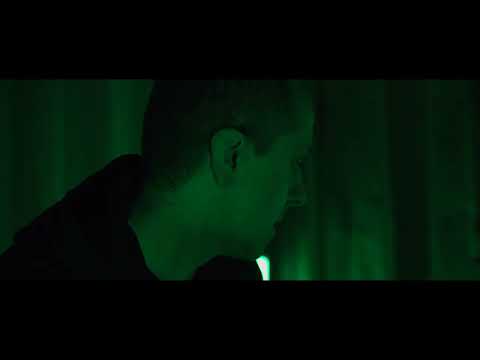
The second part of the opening that i would recognise as a key moment as all the shots have meaning would be the scene leading on from where i left, in this moment it is a very fast cut to the side of a plane with the diegetic sound of the wind beating against the plane, then it cuts to inside the plane when you can hear the diegetic sound of the plane alarm and also the sound of a murmuring masculine this is occurring with the accompany of a shaky camera implying instability with the plane as the man seems stressed and their are clearing things not working properly in the plane. It is then focused on another sequence of the plane that we now know is crashing as we can hear the diegetic sound of the unsteady plane in the air which the air hitting hit hard and the sound of the plane alarm getting louder and faster with the man's diegetic shouting. All of these things plus the instability and the short time duration of each shot create a high intensity around the very start of the film. there is a noticeable change between the first. There is also a moment in this chaotic scene where we see the pilot's face. We have distinguished as a man from his voice but he is weaning a helmet in the shakey close up shots so all we can see are his eyes but we still can recognise his stress. This sequence of shots ends by a back view of the pilot hitting his head on his seat and we know that this is hard and there is the sound effect of that support a hard hit to the head also, there is then a cut to the man waking up and it is once again the sound of silence as it is the dramatic change it accentuates the sound of the hit and makes it sound worse. This hit and change into waking up combined with him seeming stressed and sweaty when he wakes up suggests the sequence we just saw was a nightmare and his diegetic heavy breathing shows this stress again. Also the change of light makes brings out the differences in both scenes and the different atmosphere in both as in the plane shot they is a high intensity and almost blinding light around the plane to make the scene more chaotic and overwhelming (sensory overload) while the waking up scene is in full darkness apart from the very low lighting to show some feature of his face and the sweat on him too, just enough to portray how he is feeling. Also there is an introduction to a young girl also low light that we gain the information is his daughter, she mentions a grandpa and a ghost both which could be significant informations as it is introduced at the start with the introduction of character, also it gives the indication that the main character(the man) is not a believe in the paranormal while the girl is, the references of a ghost im a sci-fi movie is definitely significant and it could be the case when one of them is proved wrong. This scene showed he is a family man and is possibly raising his daughter with his dad as there is no partner sleeping next to him.




No comments:
Post a Comment